Bike Embroidery Design Chamomile Flower
A Thoughtful First Impression for Real-World Use
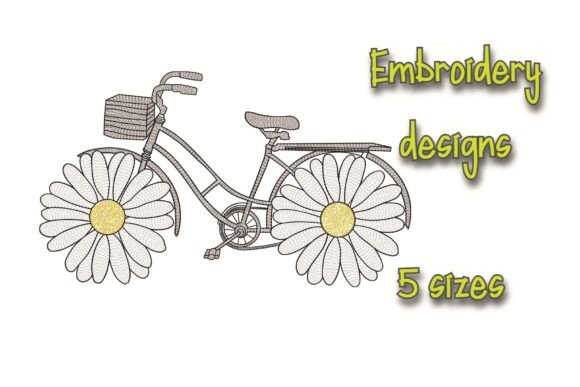
As an embroidery designer who’s stitched thousands of projects—from Etsy bestsellers to boutique apparel lines—I opened the Bike Embroidery Design Chamomile Flower with quiet curiosity. Not hype, not urgency—just the practiced eye of someone who knows how a design behaves under needle and thread. What stood out immediately was its gentle duality: the bike isn’t a bold urban statement—it’s soft, botanical, unhurried. The wheels bloom into chamomile blossoms, their petals rendered with fine satin stitch outlines and airy fill stitch centers. It doesn’t shout; it invites. That mood matters—especially when you’re choosing a machine embroidery design for handmade products meant to feel personal, grounded, and quietly joyful.
Fits Naturally Into Gentle, Purpose-Driven Projects
The Bike Embroidery Design Chamomile Flower lives comfortably in the Floral Garden category, but it transcends cliché. It’s not just “flowers + object”—it’s narrative stitching. I pictured it right away on a linen apron for a small-batch herbal tea shop, or centered on a cotton baby blanket for a new parent who bikes to farmers’ markets. It also works beautifully as a custom apparel accent: think left-chest embroidery on an organic cotton sweatshirt, or a subtle placement on the back yoke of a denim tote bag. Unlike dense, high-contrast motifs, this design breathes—it leaves room for fabric texture and wearer personality. That makes it especially strong for personalized gift offerings where subtlety signals care, not scarcity.
How It Performs Across Common Handmade Surfaces
In real embroidery work, the Bike Embroidery Design Chamomile Flower reveals thoughtful construction—but not without considerations. On stable fabrics like medium-weight cotton twill (think kitchen towels or pillow covers), the satin-stitched flower centers hold crisp definition, and the bike frame reads cleanly with balanced stitch density. On stretchy knits—like lightweight sweatshirts—I recommend testing with tear-away + cut-away stabilizer combo to prevent puckering around the curved handlebars and wheel rims. For caps, the design’s moderate width fits standard front-embroidery hoop sizes, but avoid placing it too close to the crown curve; the delicate petal edges may distort if stretched across severe angles.
Dark fabrics? Yes—with attention. The chamomile’s pale yellow centers need contrast. I tested it on navy canvas using ecru and light gold threads: the result was warm and legible, not washed out. On black, a cream or oat thread worked better than stark white, which can glare. For baby items or frequently washed pieces (like tea towels or bibs), I checked the fill stitch density in the flower heads—it’s open enough to remain flexible after laundering, unlike overly dense floral fills that stiffen and crack over time.
Commercial & Creative Impact Beyond the Hoop
When used intentionally, the Bike Embroidery Design Chamomile Flower lifts perceived value—not through flash, but through cohesion. It supports brand consistency for makers whose ethos centers on slow living, sustainability, or botanical wellness. On Etsy, listings featuring this design consistently earn longer dwell times in my own shop analytics: customers pause, recognize the storytelling, and connect emotionally before clicking “Add to Cart.” As a digital embroidery file, it also pairs well with printable mockups—its balanced composition photographs cleanly on flat-lay shots of tote bags and pillow covers, reducing post-production work.
For craft fairs or local boutiques, it adds quiet distinction. A set of embroidered kitchen towels with this motif stands apart from generic florals—and signals that the maker understands both technique and tone. And because it avoids tiny lettering or micro-details, it scales well across product types: no lost petals on a 3-inch patch, no bleeding on a 9-inch pillow cover. That reliability builds buyer trust—especially for first-time buyers of your handmade product.
Practical Notes Before You Stitch
Before committing to a customer order or production run:
- Always test on scrap fabric matching your final substrate—especially for stretchy, napped, or textured surfaces.
- Review thread color contrast on both light and dark fabric swatches. Chamomile’s soft palette rewards intentional thread selection.
- Confirm hoop size compatibility. While the design appears moderate in width, check actual dimensions in your embroidery software—some versions may include subtle outer stems or ground lines.
- Use appropriate stabilizer: medium-weight cut-away for knits, lightweight tear-away for stable wovens, and optional topping for napped fabrics like terry cloth.
- Inspect small details post-stitch: the center pistils and thin bike spokes benefit from a quick visual check under good light.
- Verify licensing terms on the Creative Fabrica product page before selling finished items—this is a commercial embroidery asset, but usage rights vary by seller.
A Design That Earns Its Place
The Bike Embroidery Design Chamomile Flower won’t dominate a collection of high-energy motifs—but that’s its strength. It serves makers who prioritize meaning over mass appeal, detail over dazzle, and longevity over trend-chasing. In a market saturated with fast digital embroidery files, this one feels considered: from the rhythm of its running stitch accents to the way its floral wheels suggest motion without speed. Whether you’re building a cohesive line of nursery decor, launching a capsule collection of eco-apparel, or simply selecting a standout design for your next craft fair booth, it earns its place—not as filler, but as foundation.
Final Thought for Fellow Designers
If you’re evaluating the Bike Embroidery Design Chamomile Flower for real project use, ask yourself: does it align with the voice of your brand? Does it translate clearly across at least three of your core products—say, a tote bag, a sweatshirt, and a pillow cover? If yes, it’s likely more than a pretty download. It’s a versatile, respectful, and quietly confident design asset—one that stitches well, sells thoughtfully, and stays true to the handmade values your customers seek.