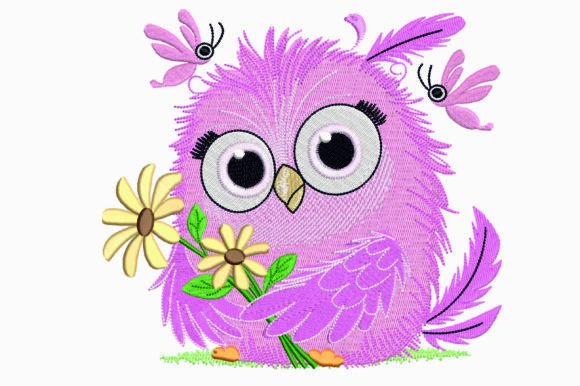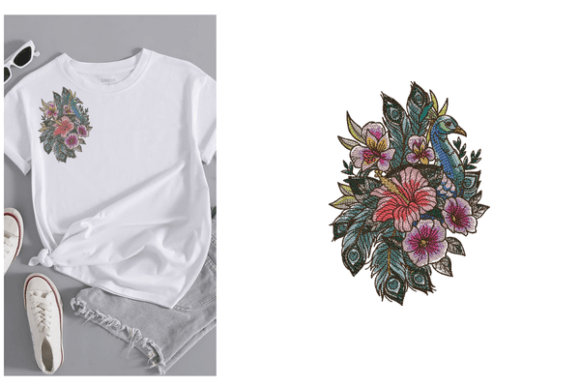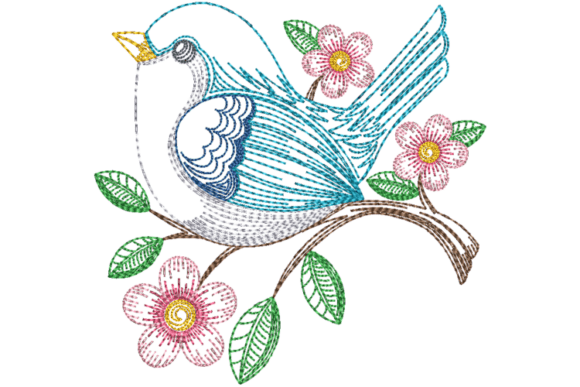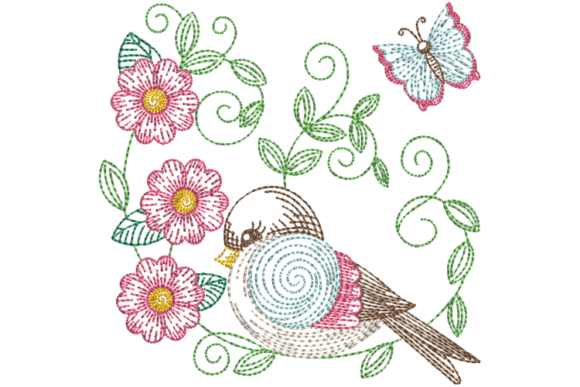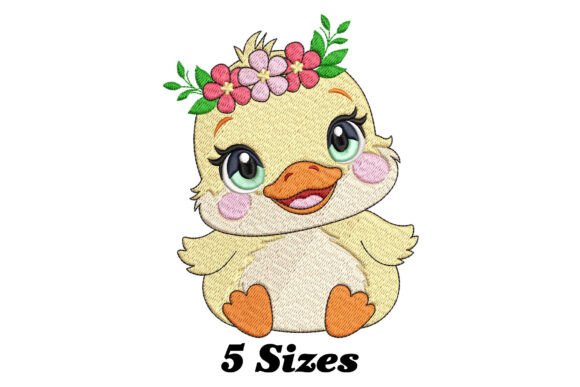
Cute Baby Duck with Flowers
First Impression: Soft, Whimsical, and Instantly Approachable
As an embroidery designer who’s curated over 200 craft fair booths—from Portland pop-ups to Nashville maker markets—I can tell you Cute Baby Duck with Flowers lands exactly where it should: warm, joyful, and gently nostalgic. It’s not bold or edgy—it’s soft-cute with a hint of botanical charm. Think spring farmer’s market, not urban streetwear. That’s a huge advantage for handmade product sellers: this design invites touch, sparks smiles, and reads as “handmade with care” before customers even read your price tag.
Where It Shines on Craft Fair Products
Tote bags: A standout. Centered on a natural canvas or oatmeal linen tote, Cute Baby Duck with Flowers reads clearly from six feet away—no squinting needed. Its balanced proportions (duck body + floral swirl) hold visual weight without overwhelming the fabric. Ideal for eco-conscious shoppers and boutique gift buyers.
Aprons and tea towel embroidery: Perfect scale for upper-left chest placement or corner accents. The duck’s rounded shape softens the geometry of kitchen linens, while the flowers add just enough detail to feel special—not busy. Customers consistently pause longer at aprons with this kind of gentle narrative.
Embroidered patches and fabric pouches: Highly effective as a 3–4 inch motif. The duck’s silhouette is distinct, and the flower elements translate well even when stitched tightly. Great for bundling (e.g., “Spring Patch Set”) or attaching to denim jackets—ideal for Etsy sellers building repeatable product lines.
Pillow covers and small market bags: Works beautifully as a centered focal point. On ivory or sage linen, it feels premium and giftable. Avoid placing it too close to seams—test hoop clearance first.
Caps and curved surfaces: Use caution. The duck’s rounded head and delicate flower stems may distort on high-crown caps unless digitized with curve compensation. Not ideal for untested batch production on headwear—better suited for flat or gently contoured items like bucket hats or fabric hair clips.
What Makes It Sell—And What Requires Attention
Cute Baby Duck with Flowers succeeds because it’s immediately legible. At a glance, customers recognize “duck,” “flowers,” and “cute”—no decoding required. That’s gold at craft fairs, where attention spans are measured in seconds.
It scales gracefully: works as a 2-inch accent on a patch or a 5-inch statement on a pillow cover. But be mindful—tiny petals or duck feather details may vanish below 1.75 inches. If you’re offering mini pouches or keychain tags, confirm stitch density holds clarity. Dense areas (like layered flower centers) can cause puckering on textured towels or terry cloth—always test with your exact fabric and stabilizer combo.
On dark fabric? Prioritize high-contrast thread colors—cream duck on charcoal linen reads beautifully, but pale yellow on navy may fade visually. And yes, that “vibrant and imaginative flair” in the description absolutely delivers—but only if your thread selection honors it. Don’t default to basic pastels; consider buttery yellows, sage greens, and dusty pinks for depth.
Real-World Booth & Brand Impact
In my booth setup last spring, I displayed Cute Baby Duck with Flowers across three items: a folded tea towel, a linen pouch with a visible patch sewn on, and a framed printable mockup showing five colorways. It was the top-engagement piece—people lingered, asked about customization, and bought all three formats before noon. Why? It felt cohesive, cheerful, and unmistakably handmade—not generic clip art.
This design strengthens brand consistency for small shop owners: pair it with matching botanical motifs or simple monograms, and you’ve got a scalable seasonal collection (“Spring Hatch” or “Garden Friends”). For Etsy sellers, it performs strongly in search for “baby duck embroidery,” “floral animal design,” and “whimsical bird embroidery”—especially when tagged under Birds and Embroidery.
Essential Embroidery Designer Notes Before You Stitch
- Test on scrap fabric first—especially with terrycloth, thick linen, or stretchy knits. Adjust tension and stabilizer based on results.
- Check thread contrast on your target base colors. Print a physical swatch if possible—screens lie.
- Review spacing and stitch density. Tight flower clusters may need reduced density or alternate fill patterns for breathability on apparel.
- Confirm hoop size compatibility. Does it fit comfortably in your most-used hoop without re-hooping mid-stitch?
- Use appropriate stabilizer: cutaway for knits, tear-away for stable wovens, and heavy cutaway + topping for textured towels.
- Create at least one real mockup—not just a digital preview. How does it drape? Does the duck look friendly or flattened? Trust your hands more than your screen.
- Compare fabric colors side-by-side. A cream duck pops on slate gray but disappears on beige—small shifts make big differences in perceived value.
- Verify commercial licensing before selling finished products. As a digital embroidery file, Cute Baby Duck with Flowers must be cleared for commercial embroidery use—don’t assume.
Final Thought: A Quiet Standout in a Busy Market
Cute Baby Duck with Flowers won’t shout—but it doesn’t need to. In a sea of loud typography and trendy minimalism, its gentle charm cuts through. It turns everyday handmade products into keepsakes. It encourages repeat buyers (“I need one for my niece’s nursery!”). And for craft fair sellers juggling time, thread, and booth space, it’s reliably producible, photograph-friendly, and emotionally resonant. Just remember: its magic lives in the details—so stitch thoughtfully, test boldly, and let that little duck do the talking.