Grow Your Dreams Like Flowers
A Whimsical Phrase That Stitches With Intention
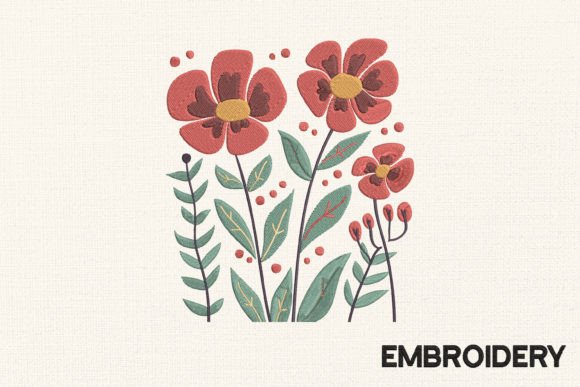
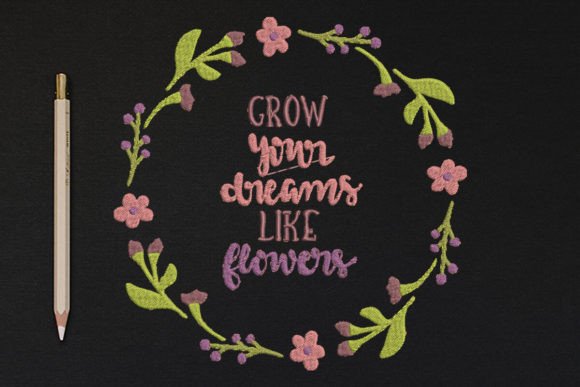
First glance at Grow Your Dreams Like Flowers tells you this isn’t just another floral motif—it’s a quiet, confident statement. The lettering flows with gentle curves, and the floral elements aren’t scattered; they’re thoughtfully anchored around the words like vines supporting a tender bloom. There’s no aggressive density or sharp geometry here. Instead, it leans into softness: rounded petals, open negative space between stems, and a rhythm that breathes. As an embroidery designer who’s stitched hundreds of inspirational phrases, I immediately recognized its sweet spot—it’s not for bold streetwear or corporate swag. It’s for the handmade product that invites pause: a linen tea towel folded neatly on a boutique shelf, a baby onesie gifted at a shower, or the inside hem of a custom apron worn by someone who bakes with care.
How It Lands in Real Projects—Not Just Mockups
Last week, I used Grow Your Dreams Like Flowers to embroider a set of organic cotton tote bags for a local herbalist’s pop-up shop. We chose light oat-colored canvas—not stark white, not black—and paired it with muted sage and buttery cream thread. The result? Instant warmth. Customers didn’t just see stitching; they paused, smiled, and asked where the phrase came from. That’s the quiet power of this machine embroidery design: it reads as intentional, not decorative filler. It worked beautifully on the flat surface of the tote, but I’d hesitate to place it across the curved seam of a baseball cap or directly over thick terry cloth without adjusting stabilizer strategy. On sweatshirt embroidery, I’d recommend using a medium-weight cutaway stabilizer underneath and reducing stitch density slightly in the flower centers—those satin stitch areas can flatten or pucker if over-stitched on heavy knit.
Where It Shines (and Where It Asks for Extra Care)
- Towels & tea towels: Excellent. The open layout prevents stiffness, and the design holds up well after repeated washing—just avoid placing it near high-friction hems unless you reinforce those edges.
- Pillow covers & nursery decor: Ideal. Its scale and softness complement delicate fabrics like cotton voile or linen blend. For baby embroidery, keep thread colors non-toxic and test washability on scrap fabric first.
- Embroidered patches: Works well as a standalone design—but confirm the file includes clean outer borders and minimal underlay in tight corners. Some versions of this embroidery file may need minor digitizing cleanup before patch backing.
- Dark or textured fabric: Proceed with contrast testing. On charcoal denim or bouclé knit, lighter thread colors (ivory, pale gold) read better than pastels. Always run a black-and-white printable mockup to assess legibility before stitching.
- Small hoop sizes or curved surfaces: Not ideal out-of-the-box. The full phrase stretches wider than many 4x4 hoops. If you’re working on a cap or child’s cap, consider splitting the design—or selecting just the “Flowers” portion as a standalone accent.
What It Adds to Your Craft Business—Beyond Aesthetics
As an Etsy seller and small shop product developer, I pay close attention to how a design affects perceived value and buyer trust. Grow Your Dreams Like Flowers elevates a simple kitchen towel from functional to meaningful. That shift matters—it justifies a higher price point, encourages repeat customers (“I bought one for my sister’s birthday”), and supports cohesive branding across your line. When paired with consistent thread choices and thoughtful placement, it reinforces professionalism without shouting. It doesn’t scream “handmade!”—it whispers it, confidently. For personalized gifts, it’s especially effective when combined with a recipient’s name or birth month flower (added manually). Just remember: if you’re selling finished products commercially, verify the license permits resale of embroidered items—not just personal use.
Practical Designer Notes Before You Stitch
- Always test Grow Your Dreams Like Flowers on scrap fabric matching your final project’s weight and stretch. A cotton tee behaves very differently from a woven apron.
- Check stitch density in the floral fill areas. Overly dense fill stitches can cause puckering on lightweight fabric or stiffen delicate embroidery on baby clothes.
- Review hoop size requirements. If your machine struggles with larger designs, look for a simplified version—or be prepared to split the phrase across two passes.
- Inspect small details: petal tips, letter serifs, and stem connections. These are often where digitizing shortcuts show up. If they look brittle or pixelated in your software preview, the satin stitch may not lay smoothly.
- Use appropriate stabilizer. Lightweight tear-away works for stable wovens like quilting cotton; cutaway is safer for knits or textured home decor fabric.
- Confirm thread color contrast early. A soft lavender thread may disappear on heather gray fabric—even if it looks vivid on screen.
- For digital product sellers: ensure your listing clearly states whether the embroidery file is for personal or commercial use—and whether it includes multiple formats (PES, DST, JEF, etc.).
Final Thought: Charm With Craftsmanship
Grow Your Dreams Like Flowers doesn’t try to be everything. It’s not a flashy logo, a complex applique design, or a technical showcase of thread blending. It’s a focused, human-centered embroidery project—designed to land gently, resonate quietly, and hold up honestly through real use. Whether you're stitching it onto a holiday embroidery gift, building a collection of boutique branding assets, or preparing a batch of craft fair merchandise, it rewards attention to detail and intentionality. It reminds us that the best inspirational designs don’t shout—they root themselves in material, motion, and meaning. And that’s exactly why it earns a permanent spot in my go-to folder of reliable, sellable, soulful embroidery files.