Roses and Butterfly: A Charming Embroidery Design for Personalized Gifts
First Impressions: Whimsy, Warmth, and Timeless Appeal
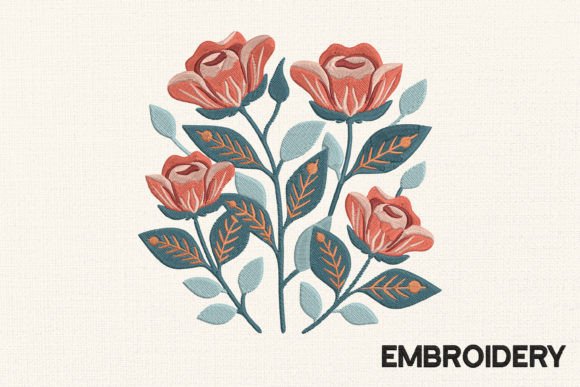
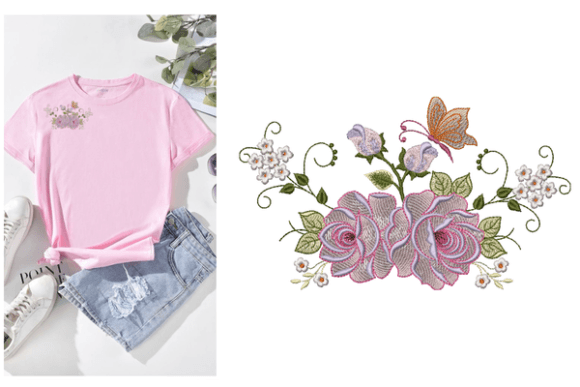
As an embroidery designer who’s tested hundreds of digital embroidery files for retail and custom use, Roses and Butterfly immediately stands out—not with flashiness, but with quiet confidence. It lands squarely in the Bouquets Bunches category, yet feels more personal than generic floral clusters. The composition balances soft, unfurling rose blooms with a delicate butterfly poised mid-flight—neither overly botanical nor cartoonish. It reads as romantic, yes, but also playful and handmade. There’s no stiff symmetry or heavy fill stitching; instead, gentle curves, open negative space, and subtle layering give it breath and movement. For customers seeking meaningful personalized gift options—especially new parents, newlyweds, or those honoring life milestones—Roses and Butterfly evokes tenderness without sentimentality.
Versatility in Real-World Gift Applications
This machine embroidery design shines where emotional resonance meets practicality. On a baby embroidery project—say, a muslin swaddle or organic cotton blanket—it softens the clinical feel of newborn essentials while adding heirloom warmth. As a wedding gift, stitched onto linen pillow covers or monogrammed tea towels, it whispers “forever” without shouting tradition. For Etsy sellers and small shop owners, Roses and Butterfly is a quietly powerful listing asset: it photographs beautifully on natural fabrics, pairs effortlessly with neutral palettes, and appeals across age groups—from nursery decor to vintage-inspired kitchenware.
Think beyond flat surfaces: it works elegantly on curved tote bag seams (when hooped carefully), adds quiet charm to apron pockets, and elevates simple cotton pillow covers into boutique-ready pieces. Because the design avoids tiny stems or micro-petals, it scales well—even at 3.5" wide—making it ideal for embroidered towel corners, onesie back panels, or baby blanket borders. Craft fair vendors love how quickly it communicates “thoughtful handmade product” before a single word is spoken.
Where to Use It Thoughtfully (and Where to Pause)
While versatile, Roses and Butterfly isn’t universally foolproof—and that’s where experience matters. Its charm relies on clarity of line and contrast, so avoid stitching it directly onto dark fabric without testing thread color lift and stabilizer show-through. On thick terry cloth towels, stitch density matters: if the embroidery file includes dense satin fills near the butterfly wings, consider lightening underlay or switching to a medium-weight cutaway stabilizer to prevent puckering.
For stretchy baby clothes or curved surfaces like rounded mugs (if using heat-transfer embroidery patches), always pre-test on scrap fabric matching the exact garment weight and knit. And while the design avoids ultra-fine details, don’t push it below 2.75"—the butterfly antennae and inner petal veins may lose definition on small lettering or tight curves. Also, remember: frequent washing dulls sheen. Recommend customers hand-wash or gentle cycle for items like blanket embroidery or embroidered pillow covers meant as keepsakes.
Why It Builds Trust—and Sales—for Small Businesses
Gift buyers don’t just buy stitches—they buy feeling. Roses and Butterfly delivers instant emotional connection: it signals care, attention to detail, and intentionality. That perception lifts perceived value, especially for handmade sellers pricing above mass-market alternatives. When photographed on a linen napkin beside fresh roses—or layered over a neutral nursery shelf—it tells a cohesive story before the buyer even reads your description. For Etsy sellers, this translates to higher engagement: shoppers linger longer, add to cart faster, and leave reviews mentioning “so much prettier in person.” That authenticity builds repeat trust, turning one-time buyers into loyal fans.
Essential Embroidery Notes Before You Stitch
Before committing to customer orders, treat Roses and Butterfly like any high-stakes commercial embroidery asset:
- Always test on scrap fabric—matching weight, stretch, and finish—to catch thread tension surprises or stabilizer bleed.
- Check thread colors against both light and dark fabric mockups. Soft pinks and sage greens often pop best, but avoid low-contrast combos like ivory thread on cream linen.
- Confirm hoop size compatibility with your machine and intended product (e.g., a 5x7 hoop fits most pillow covers; larger hoops may be needed for blanket corners).
- Review stitch density: dense areas (like rose centers) need stronger stabilizer support on lightweight fabrics.
- Use appropriate stabilizer—tear-away for stable wovens, cutaway for knits or towels, and water-soluble for lace overlays.
- Compare digital mockups to physical samples—what looks crisp on screen may blur on textured fabric.
- Inspect small details post-stitch: butterfly wing edges, petal separation, and clean jump stitches.
- Verify commercial licensing before selling finished products. Since this is a digital embroidery file, confirm usage rights cover resale of physical goods—don’t assume.
Final Thoughts for Makers and Sellers
Roses and Butterfly isn’t just another embroidery download. It’s a quiet workhorse—a design that supports storytelling, strengthens brand voice, and deepens customer connection. Whether you’re stitching baby embroidery for a first-time parent, curating wedding gift bundles, or building an Etsy shop around nature-infused handmade goods, this design earns its place in your core collection. It doesn’t shout. It invites. And in today’s crowded handmade market, that kind of thoughtful, emotionally intelligent design? That’s what turns a small shop product into a cherished finished product.