Spring Flowers and Butterfly
A Whimsical Touch That Feels Like Hand-Stitched Love
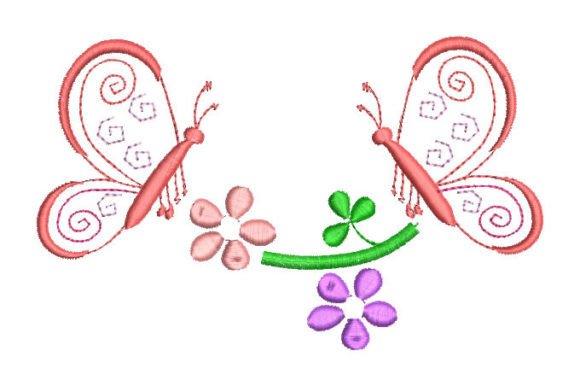
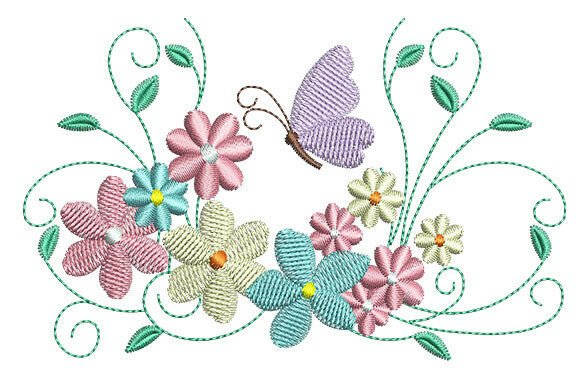
As an embroidery designer who’s stitched thousands of personalized gifts—from newborn onesies to heirloom wedding towels—I opened Spring Flowers and Butterfly with quiet anticipation. What greeted me wasn’t just another machine embroidery design—it was a breath of spring: soft curves, balanced asymmetry, and that rare harmony between botanical charm and gentle insect whimsy. Though categorized under Bugs Insects, this isn’t a macro-insect study—it’s a tender celebration of transformation and renewal. The butterfly floats lightly above layered blossoms with subtle petal veining and delicate antennae, while the flowers avoid stiffness through varied petal lengths and organic spacing. It feels sweet without saccharine, playful without clutter, and seasonal without being fleeting. For handmade product makers, that emotional resonance is gold.
Where This Design Truly Blooms: Real Projects, Real Customers
Spring Flowers and Butterfly shines brightest when it carries meaning—not decoration. I’ve used it for baby embroidery on organic cotton swaddles, where its lightness complements delicate skin and quiet nurseries. On linen pillow covers for wedding gifts? It adds romantic texture without overwhelming monogrammed initials. For embroidered towels—especially guest or kitchen sets—it lifts everyday utility into something giftable and memorable. It works beautifully on aprons for bakeries or craft studios, tote bags for garden clubs, and even custom gift boxes lined with muslin and stitched with a single motif at the corner.
Small shop owners and Etsy sellers will appreciate how effortlessly it elevates perceived value. A plain white blanket becomes a nursery keepsake. A simple tea towel transforms into a bridal shower favor. Because the design avoids dense fill areas and maintains open negative space, it photographs well—even on mobile—making printable mockups more convincing and social media posts more engaging. Buyers don’t just see “embroidery”; they feel care, intention, and handmade presentation.
Practical Embroidery Notes You’ll Want Before Your First Hoop
This isn’t a “load-and-stitch” design—and that’s a strength. Its charm lives in detail, so preparation matters:
- Always stitch a test sample—especially on your final fabric. I recommend testing on similar-weight fabric first: terry cloth for towels, knit for baby clothes, quilt-weight cotton for pillow covers.
- Stabilizer choice is key. For textured towels or stretchy baby knits, a medium-weight cutaway stabilizer prevents puckering and holds delicate wing outlines true. On lightweight linens or voile, try tear-away with light spray adhesive.
- Thread colors make or break the mood. The design invites soft palettes—mint, buttercream, lavender—but also pops against charcoal or navy. Compare thread options before stitching; subtle shifts in sheen (matte vs. rayon) affect perceived quality.
- Watch small details. Antennae tips and thin stem lines can vanish on dark fabric or with low-contrast thread. If stitching on black towels or deep indigo blankets, consider outlining key elements or adjusting density slightly.
- Hoop size and stitch density matter. While exact hoop size isn’t specified, the composition suggests a mid-size hoop (5x7" or larger). Review the Creative Fabrica embroidery file details carefully—stitch density impacts both durability and drape, especially on wearable items like aprons or totes.
Why It Builds Trust—Before the First Stitch
Customers choosing handmade products aren’t just buying objects—they’re investing in feeling. When someone orders a baby embroidery piece with Spring Flowers and Butterfly, they’re often marking a milestone: first spring after birth, a naming ceremony, or early motherhood. That emotional weight means your finished product must look intentional, refined, and lovingly made—not digitized and dropped in. This design supports that trust because it avoids over-engineered sharpness. Its gentle curves and breathable layout suggest human curation, not algorithmic repetition. Even on commercial embroidery projects—like small-batch home decor for boutique resale—the motif reads as bespoke, not mass-produced.
For Etsy sellers and digital product creators, pairing Spring Flowers and Butterfly with clean, natural-light photography and thoughtful packaging (think kraft boxes with hand-stamped tags) amplifies giftability. Buyers engage longer, share more, and return for matching pieces—like a set of embroidered napkins and a coordinating throw pillow.
Final Thoughts for the Thoughtful Maker
If you stitch with purpose—if your goal is to create personalized gifts that linger in memory, not just on shelves—Spring Flowers and Butterfly earns its place in your Creative Fabrica embroidery library. It’s not flashy, but it’s deeply functional: versatile across fabric types, emotionally resonant across life stages, and technically forgiving once you honor its gentle nature with smart stabilizing and thoughtful thread choices.
Before using it for any small shop product or commercial embroidery project, always review the full product details and licensing terms on Creative Fabrica. Understand whether the embroidery file permits finished product sales, and confirm compatibility with your machine’s format needs. And never skip the test stitch—even the most charming design deserves respect for how it behaves in thread and fabric.
In a world of fast trends, Spring Flowers and Butterfly offers something quieter but more enduring: the kind of handmade product that gets folded into a drawer, pulled out years later, and remembered not just for what it is—but for who held it, when, and why.